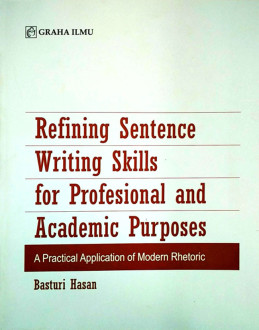
The content of this book, by nature, is a blending of traditional thought and contemporary awareness-in rhetoric,
linguistics, and other related fields as well. The materials are not narrowly prescriptive, but neither do they
underestimate the importance of conventions in public writing. A key example of this quality of balance is the
emphasis in most parts of the book on both the requirements of logic and the dictates of rhetoric in planning English
sentence structure. Another example is the book's constant attention to the demands of the writer's idea as well as
the needs of readers. To put the matter in a slightly different way: readers are well served only by writing that
pursues sound thought at least as effectively as readers’ appeal. The principle behind this is simply this: readers
need tn be not onlv attracted and persuaded, butalso helped to understand.
ln most units of this book, practical, sensible, and clear advice on grammar, usage, and mechanics are offered. It is
acommonplace to say that learners profit more descriptions of pattern than from traditional definitions, so this
book strikes a balance of those mentioned-approaches. Moreover, in each of the sections of the book, the treatment of principles and problems is ample yet thoughtfully selective. Conscious effort has been made to concentrate on matters that may really need attention in college as well as professional writing programs.




 Keranjang